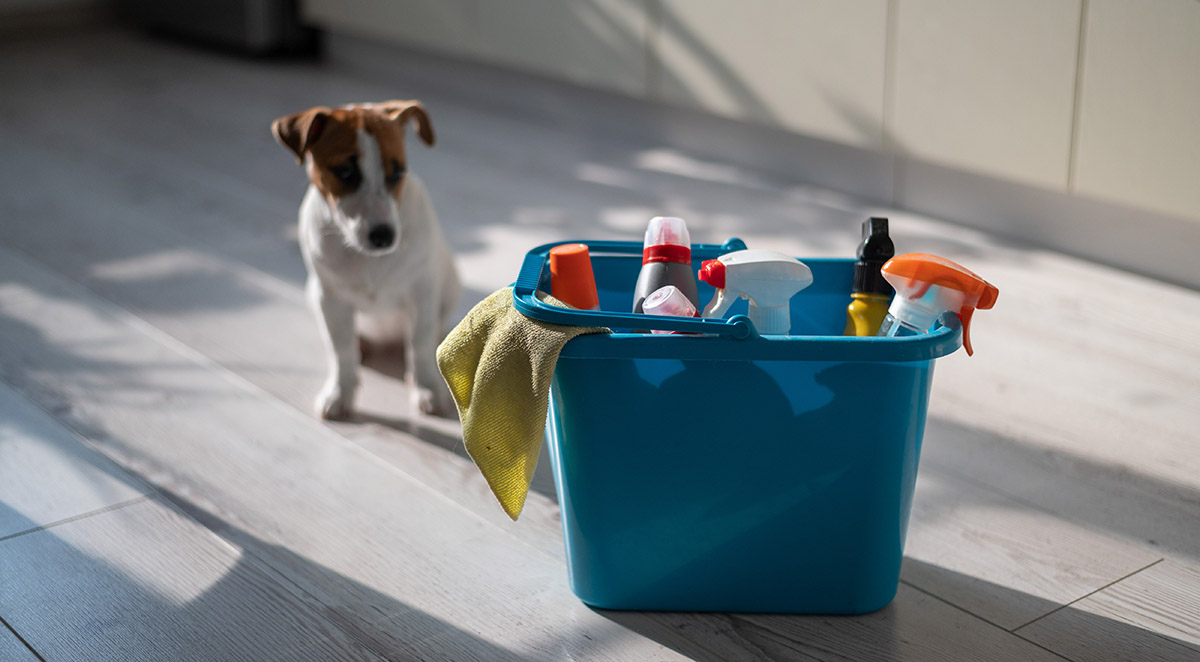
Asheville has earned its reputation as one of the most pet-friendly cities in the Southeast. From dog-friendly patios along the French Broad River to off-leash trails winding through the Blue Ridge, our mountain community embraces life with animals in a way few places can match. But while we go to great lengths to give our pets the best food, the best vet care, and the best outdoor adventures, there's a hidden danger in many Asheville homes that most pet owners overlook — the cleaning products sitting under the kitchen sink.
At Asheville Pristine Clean, we've spent over a decade providing pet-safe, non-toxic cleaning for homes across Western North Carolina. We've seen firsthand how conventional cleaning chemicals affect the animals who share our living spaces, and we believe every pet owner deserves to understand the risks — and the alternatives. This guide covers how conventional products harm pets, which ingredients to avoid, and practical strategies for maintaining a clean, healthy, pet-friendly home in Asheville's unique mountain environment.
TL;DR — Key Takeaways for Pet Owners
- Pets absorb cleaning chemicals through their paw pads, then ingest more through grooming — creating double exposure that humans don't experience
- Cats are especially vulnerable because they lack a liver enzyme needed to process phenols, a common ingredient in pine-scented and disinfectant cleaners
- Pets breathe at floor level, where VOC concentrations from cleaning products are highest — and their smaller bodies process those chemicals at proportionally higher rates
- Ingredients to avoid: chlorine bleach, ammonia, phenols/pine oil, formaldehyde-releasing preservatives, and synthetic fragrances
- Safe alternatives that work: vinegar, baking soda, hydrogen peroxide, and castile soap handle everyday cleaning without toxic residues
- Essential oils require nuance — most are safe in diluted cleaning solutions on dry surfaces, but tea tree, peppermint, and citrus oils need extra caution around cats
- Professional green cleaning with HEPA filtration removes pet dander and allergens that standard vacuums recirculate, making it especially valuable for multi-pet homes
Read on for the full science, specific ingredients to watch for, and practical room-by-room tips for keeping your Asheville home clean and your pets safe.
1. How Conventional Cleaning Products Harm Your Pets
Most pet owners would never knowingly expose their animals to toxic chemicals. But the reality is that conventional cleaning products create multiple exposure pathways that affect pets far more than they affect the humans using them.
Paw Absorption: The Pathway Most Pet Owners Miss
When you mop your floors or spray your countertops with conventional cleaners, chemical residues remain on those surfaces long after they appear dry. Your pets walk across these surfaces constantly, and their paw pads — which are highly absorptive — take in those chemicals directly through the skin. Over time, this repeated contact can cause dermatitis, cracking, chemical irritation, and chronic inflammation of the paw pads. Many pet owners attribute these symptoms to dry weather or allergies without realizing the cleaning products are the culprit.
Dogs who spend time lying on freshly cleaned floors absorb chemicals through their bellies and any areas of thinner skin. Cats who jump onto treated countertops and windowsills face the same risks. The surfaces that feel cleanest to you may be the most chemically loaded for your pets.
Grooming Ingestion: Your Pet Cleans What You Clean
This is where the risk compounds significantly. Cats are meticulous groomers — they lick their paws, their fur, and every surface of their body multiple times daily. Whatever chemical residue they've walked through or laid on goes directly into their digestive system. Dogs are equally vulnerable, licking their paws after walks on cleaned floors, grooming themselves after napping on treated surfaces, and sometimes directly licking countertops, bathtubs, and other freshly cleaned areas.
This grooming behavior transforms surface-level chemical exposure into direct ingestion. Even in small doses, repeated ingestion of cleaning chemical residues can cause gastrointestinal irritation, liver and kidney strain, and cumulative toxic buildup over months and years. Cats are particularly susceptible because their livers lack certain enzymes that help metabolize common chemical compounds — a biological reality that makes many "safe for humans" products genuinely dangerous for felines.
Respiratory Exposure at Floor Level
Your pets live closer to the ground than you do. Dogs and cats spend much of their time with their noses inches from floors, baseboards, and low surfaces — exactly where VOC concentrations from cleaning products are highest. When you spray an aerosol cleaner or use a volatile product on a floor surface, the heaviest chemical particles settle downward rather than dispersing evenly through the room.
With smaller lungs processing air at a faster rate relative to body weight, pets inhale a proportionally higher concentration of airborne chemicals than an adult human in the same room. For brachycephalic breeds — bulldogs, pugs, Persian cats — whose respiratory systems are already compromised, this exposure is even more concerning.
The Cumulative Effect on Smaller Bodies
A 15-pound cat or a 30-pound dog processes chemical exposure very differently than a 150-pound human. Proportional to body weight, your pet's chemical burden from household cleaning products is dramatically higher than yours. And unlike humans, pets can't tell you when something doesn't feel right. Instead, the signs of chronic chemical exposure often show up as subtle behavioral changes — decreased appetite, increased lethargy, excessive paw licking, respiratory changes, or skin irritation that gets attributed to other causes.
2. Ingredients Every Pet Owner Should Avoid
Chlorine Bleach and Ammonia
These two cleaning staples are among the most dangerous for pets. Chlorine bleach residues on floors and surfaces can cause chemical burns on paw pads and severe gastrointestinal damage if ingested through grooming. Ammonia fumes irritate the respiratory tract at concentrations that barely register for humans but significantly affect smaller animal lungs. The combination of the two — which happens accidentally in households more often than people realize — produces chloramine gas that is toxic to both pets and people.
Phenols and Pine-Based Cleaners
Phenol-containing products deserve special attention from cat owners. Cats lack a specific liver enzyme (glucuronyl transferase) needed to process phenolic compounds, making products containing phenol, cresol, or pine oil genuinely toxic to felines even in small amounts. Many common disinfectants and "pine-scented" cleaners contain these compounds. If you have cats, eliminate any cleaning product with phenol or pine oil from your home entirely.
Formaldehyde and Preservatives
Formaldehyde-releasing preservatives like quaternium-15 and DMDM hydantoin appear in many multi-surface cleaners and are classified as known human carcinogens. For pets who are grooming treated surfaces and inhaling residues at floor level, the exposure risk is amplified. These preservatives are rarely listed as "formaldehyde" on labels, making them easy to miss without careful ingredient review.
Essential Oils That Require Caution Around Pets
While essential oils are a cornerstone of effective natural cleaning, some require responsible usage around pets. Tea tree oil, peppermint oil, and concentrated citrus oils can be harmful to cats and some dogs if ingested in undiluted form or applied directly to skin. However, when used appropriately in diluted cleaning solutions and allowed to dry fully before pets access treated surfaces, these oils are safe and effective components of a green cleaning routine. The key is concentration and contact — diluted essential oils on a dry surface are very different from concentrated oil on a wet one.
Synthetic Fragrances and Air Fresheners
The "fragrance" listed on many cleaning products and air fresheners can represent dozens of undisclosed chemical compounds, including phthalates and VOCs that accumulate in the spaces where your pets spend their time. Plug-in air fresheners, scented candles, and fabric sprays continuously release these compounds at pet breathing level. Replacing synthetic fragrance sources with natural ventilation and occasional use of pet-safe essential oil diffusion (avoiding oils toxic to your specific pets) creates a more comfortable environment for everyone.
3. Pet-Safe Natural Cleaning Alternatives That Work
The Pet-Friendly Cleaning Arsenal
The most effective pet-safe cleaning ingredients are also the simplest. White vinegar disinfects surfaces without leaving toxic residues. Baking soda absorbs odors and provides gentle scrubbing power. Hydrogen peroxide (3%) handles disinfection, stain removal, and whitening — then breaks down into water and oxygen. Castile soap cuts grease with plant-based surfactants that are fully biodegradable and non-toxic.
These ingredients form the foundation of a completely pet-safe cleaning routine, and they're effective enough for everyday use throughout your home. For specific recipes and formulations using these ingredients, our guide to DIY non-toxic cleaning solutions provides detailed, professional-approved instructions.
How Professional Green Cleaning Protects Your Pets
For thorough, whole-home cleaning that goes beyond DIY, Asheville Pristine Clean's professional service offers pet owners additional peace of mind. Every product in our cleaning arsenal has been vetted for safety around animals — we only use what we'd feel comfortable using around our own pets. Our professional HEPA vacuum systems are particularly valuable in pet homes, capturing over 99.97% of particles as small as 0.3 microns, including pet dander, hair, and allergens that standard vacuums recirculate into your air. The result is a cleaner home and healthier indoor environment for both you and your animals.
4. The Asheville Pet Owner's Guide to a Clean, Healthy Home
Managing Pet Hair and Dander: Mountain Edition
Asheville's seasons bring distinct shedding patterns. Spring triggers heavy coat-blowing in double-coated breeds, while fall brings a subtler but steady increase in shedding as winter coats grow in. In between, regular shedding is simply part of life with pets in the mountains.
HEPA vacuuming is the single most effective strategy for managing pet hair and dander. Unlike standard vacuums that capture large hair but blow microscopic dander particles back into circulation, HEPA filtration traps the invisible allergens that trigger reactions in both humans and other animals. For upholstered furniture and bedding, regular vacuuming with a HEPA-equipped machine paired with washable covers creates a manageable routine.
Focus your efforts on high-traffic areas: the spots where your pets spend the most time. Their favorite napping corners, the paths they walk repeatedly between rooms, and the furniture they claim as their own accumulate hair and dander fastest and benefit most from consistent attention.
Conquering Muddy Paws and Trail Debris
If you live in Asheville and have a dog, you know the reality of post-trail paws. Every hike along the Blue Ridge, every romp through a creek, and every rainy-day walk translates to mud, dirt, and organic debris tracked into your home. This is part of the joy of mountain living with dogs; and it's completely manageable with the right approach.
Keep a natural cleaning station near your most-used entry point: a towel, a shallow pan of water for paw rinsing, and a mat that traps debris. Allow mud to dry before cleaning it from hard floors, as dried mud vacuums up far more efficiently than wet mud smears. For residual dirt on hard surfaces, a simple damp microfiber cloth or a vinegar-based spray handles the job without chemicals.
Natural Odor Elimination (Not Just Masking)
Every pet owner knows the challenge of keeping a home smelling fresh. The mistake most people make is reaching for synthetic air fresheners or heavily fragranced cleaning products — which don't eliminate odors at all but simply layer chemical fragrance on top of them. This makes the air quality problem worse for both you and your pets.
Baking soda is your best friend for genuine odor absorption. Sprinkled on carpets, pet bedding, and upholstered furniture and left for 30 minutes before vacuuming, it neutralizes odors at a molecular level. For persistent odors in fabrics, enzyme-based cleaners — available in pet-safe formulations — break down organic odor compounds rather than masking them. Good ventilation, especially during mild Asheville weather when windows can be opened, does more for home freshness than any spray product.
Pet Stain Removal Without Harsh Chemicals
Accidents happen, and addressing them promptly with the right approach prevents both staining and lingering odor. For fresh pet stains on carpet or upholstery, blot (never rub) the area, then apply a mixture of hydrogen peroxide and a small amount of dish soap. Let it sit for 10 minutes, then blot again with clean water. Baking soda sprinkled over the dried area absorbs residual odor overnight.
For older or set-in stains, enzyme-based pet stain removers are the most effective non-toxic option. These products use biological enzymes to break down the proteins in pet waste that cause both staining and odor — a fundamentally different approach than chemical cleaners that try to overpower the stain with solvents.
Creating Pet-Friendly Clean Zones
Pay extra attention to the areas where your pets spend the most time. Bedding should be washed regularly with fragrance-free, plant-based detergent. Feeding station floors benefit from daily wipe-downs with a damp cloth. Favorite lounging spots on furniture or rugs should be vacuumed more frequently than the rest of the house.
A rotation approach works well: focus on different pet zones on different cleaning days, ensuring every area your animals frequent receives regular attention without requiring a marathon cleaning session each time.
5. Seasonal Considerations for Asheville Pet Owners
Spring: Shedding Season and Allergen Management
Spring in Asheville means blooming trees, rising pollen counts, and pets blowing their winter coats. This combination can overwhelm your home's indoor air quality if not managed proactively. Increase vacuuming frequency during peak shedding and pollen season, wipe down pets with a damp cloth after outdoor time to reduce the allergens they carry inside, and consider scheduling a professional deep clean at the start of spring to reset your home's baseline before allergy season hits full force.
Summer: Outdoor Adventures and Indoor Recovery
Summer brings the best of mountain living — and the messiest. Hiking, swimming, and off-leash adventures mean your dog comes home carrying mud, creek water, burrs, and whatever else the trail offered. Focus your cleaning efforts on entryways and the paths your pets take through the house. This is also tick and flea season, so regular washing of pet bedding in hot water with natural detergent helps manage these concerns without chemical pesticide sprays indoors.
Fall and Winter: Sealed Homes and Indoor Air Quality
As temperatures drop and windows close, everything inside your home — pet dander, cleaning product residues, dust, and allergens — stays there. This is when non-toxic cleaning matters most. Conventional chemicals used in a sealed mountain home accumulate in the air your family and pets breathe all winter long. Green cleaning products eliminate this concern entirely, and professional HEPA vacuuming during the closed-window months keeps indoor air quality high even when natural ventilation isn't an option.
6. Frequently Asked Questions
Which cleaning products are most dangerous to cats specifically?
Phenol-containing products (including many pine-scented cleaners and some disinfectants) are among the most dangerous for cats due to their inability to metabolize phenolic compounds. Chlorine bleach, ammonia, and products containing essential oils of tea tree, peppermint, or wintergreen in concentrated forms also pose serious risks to felines. Always check ingredient labels and opt for plant-based, phenol-free cleaning products in homes with cats.
How do I know if my pet has been affected by cleaning chemicals?
Common signs include excessive paw licking or chewing, skin redness or irritation, watery eyes, sneezing or coughing, decreased appetite, lethargy, vomiting, or behavioral changes like avoiding recently cleaned areas. If you notice any of these symptoms — particularly after cleaning — ventilate the area, remove your pet from the space, and consult your veterinarian. Switching to non-toxic cleaning products often resolves these symptoms.
Is professional green cleaning safe for homes with multiple pets?
Absolutely. Our professional cleaning services are designed with pet households in mind. Every product we use is non-toxic and safe for dogs, cats, and other household animals. For multi-pet homes, our HEPA vacuuming is especially valuable: it removes the accumulated dander and allergens from multiple animals that can significantly impact indoor air quality.
How often should I deep clean my home if I have pets?
For homes with pets, we generally recommend professional deep cleaning every three to four months, with routine maintenance cleaning on a biweekly or weekly basis depending on the number and type of pets. Homes with multiple dogs or long-haired breeds may benefit from more frequent professional visits, particularly during heavy shedding seasons in spring and fall.
Are essential oil-based cleaners safe to use around dogs and cats?
When used properly (diluted in cleaning solutions and applied to surfaces that are allowed to dry fully before pet access), most common cleaning essential oils are safe. However, tea tree oil, peppermint, eucalyptus, and citrus oils require extra caution around cats. Lavender and chamomile are generally considered the safest options for multi-pet households. If you're unsure, consult your veterinarian about specific oils and your pet's health needs.
7. A Cleaner Home and Healthier Pets Start Here
Your pets depend on you to make their environment safe, and switching to non-toxic cleaning is one of the most impactful steps you can take. Whether you start with simple DIY swaps in your own routine or bring in our professional team for comprehensive green cleaning, the result is a home where your whole family, including the four-legged members, can breathe easier.
Asheville Pristine Clean has been keeping Asheville's pet-friendly homes clean and safe since 2012. Contact us today at 828-215-9634 for a free estimate and discover the difference that truly pet-safe, non-toxic cleaning makes.